
Buy Cannaburst gummies
Hemp-Derived THC vs. State-Licensed Cannabis: What’s the Legal Difference?

Oct
Hemp-Derived THC vs. State-Licensed Cannabis: What’s the Legal Difference?
· @Richnell
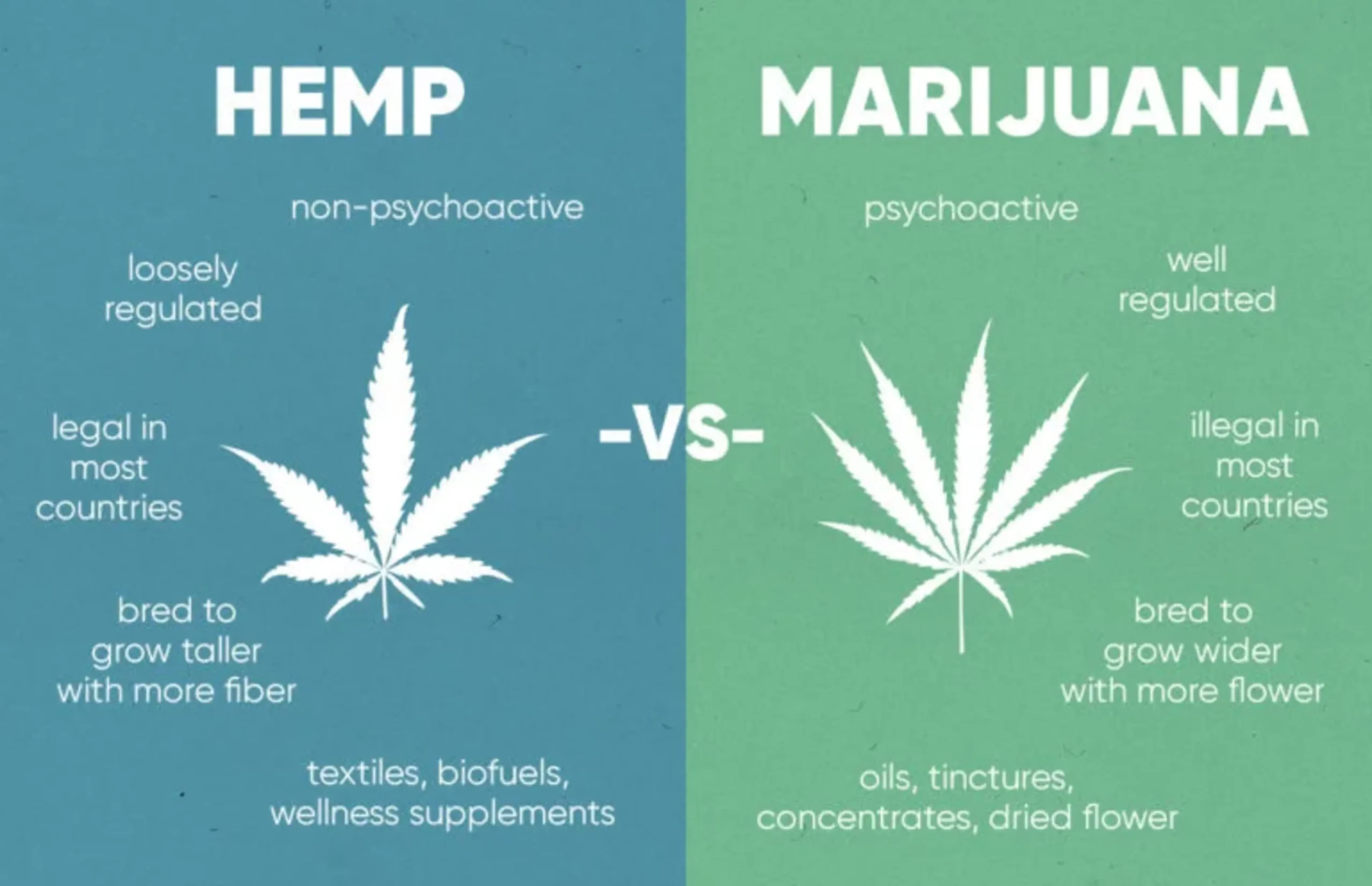
Quick answer: Hemp-derived THC comes from cannabis plants that contain no more than 0.3% delta-9 THC by dry weight. It falls under agriculture and food rules and has been sold online and across state lines. State-licensed cannabis comes from plants above that line, grown and sold inside one state’s regulated system, and it cannot cross state lines. In 2026 the two are moving in opposite directions: hemp THC faces a federal cap of 0.4 mg total THC per container (effective December 11, 2026 for most products), while state-licensed medical cannabis has been moved to a less restrictive federal schedule.
The short version
- Hemp-derived THC: Legal federally only if the plant meets the hemp definition. The definition is tightening under Public Law 119-37.
- State-licensed cannabis: Still illegal under federal law for recreational use, but legal under state law when grown, tested, and sold by licensed businesses.
- The practical difference: Hemp THC products have been sold through general retail and online. Licensed cannabis products are sold through dispensaries inside the state where they were made.
- The 2026 twist: Congress is narrowing hemp while the Justice Department is loosening rules on certain state-licensed marijuana.
For the full breakdown of the hemp change, see our guide to the [federal hemp ban and THC gummies].
What counts as hemp-derived THC
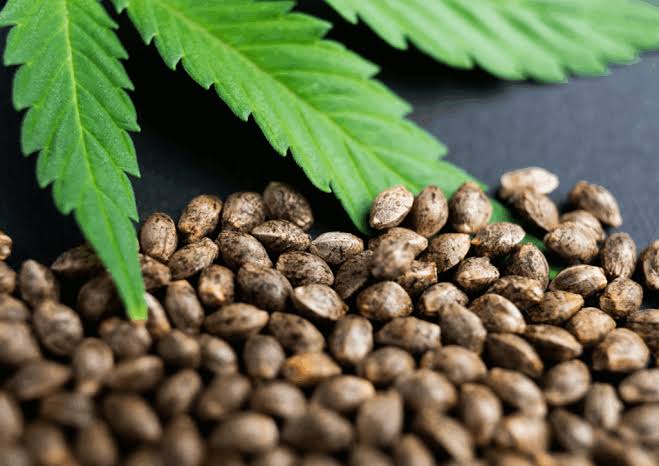
The 2018 Farm Bill removed hemp from the Controlled Substances Act. It defined hemp as cannabis with no more than 0.3% delta-9 THC by dry weight. Anything above that line was treated as marijuana.
That definition created a loophole. Because the 0.3% limit measured the plant, not the finished product, manufacturers could make gummies and other edibles with meaningful THC doses from hemp-derived cannabinoids and sell them outside the licensed cannabis system.
Hemp products have generally followed these rules:
- Production is overseen by the USDA and state agriculture departments.
- Retail runs through general stores, gas stations, smoke shops, and websites, with no cannabis license required.
- Shipping across state lines has been permitted for compliant hemp.
- Age limits are set by states and retailers. Federal law does not set a minimum purchase age for hemp products.
- Food and supplement rules are murky. The FDA has taken the position that THC and CBD cannot be added to conventional foods or sold as dietary supplements, but hemp edibles have operated in an enforcement gap.
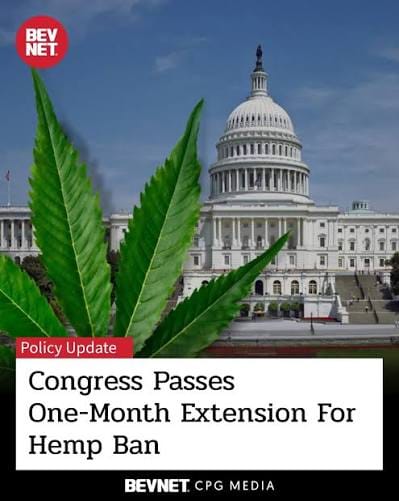
Public Law 119-37, signed in November 2025, closes much of that gap. It counts total THC instead of delta-9 alone and caps consumable hemp products at 0.4 mg of total THC per container. Most of that change takes effect December 11, 2026.
What counts as state-licensed cannabis
State-licensed cannabis (often called marijuana) is cannabis that does not meet the federal hemp definition, grown and sold under a state license. Federally, it has remained a Schedule I controlled substance, which means the state systems operate under state law while still conflicting with federal law.
Licensed markets typically share these features:
- Licenses at every step. Cultivators, manufacturers, testing labs, and dispensaries each hold a state license.
- Seed-to-sale tracking. Products are tracked from plant to purchase.
- Mandatory lab testing for potency and contaminants, set by state rules.
- Potency and packaging limits. Many states cap edible doses per serving and per package, and require child-resistant, labeled packaging.
- Age and access rules. Adult-use markets generally require buyers to be 21 or older. Medical programs require a patient card.
- No interstate commerce. Products must stay within the state where they were grown and sold.
Side-by-side comparison
|
|
Hemp-derived THC |
State-licensed cannabis |
|---|---|---|
|
Source plant |
Cannabis with 0.3% delta-9 THC or less (dry weight) |
Cannabis above the hemp definition |
|
Federal status, October 2026 |
Legal if it meets the hemp definition; new total-THC cap effective December 11, 2026 for most products |
Schedule I, except FDA-approved products and marijuana under a state medical license, now Schedule III |
|
Main regulators |
USDA, FDA, state agriculture departments |
State cannabis control agencies |
|
Where sold |
General retail and online |
Licensed dispensaries only |
|
Crosses state lines |
Yes, while compliant |
No |
|
Minimum age |
Set by state or retailer |
Typically 21+ (adult-use); patient card (medical) |
|
Testing |
Varies; no uniform federal standard |
Required by state rules |
|
Dose limits |
None federally until the new cap; 0.4 mg per container after |
Set by each state |
|
Outlook |
Narrowing; Congress is debating regulation, delay, or repeal |
Loosening, but the broader rescheduling decision is still pending |
The federal picture in October 2026
Federal policy is moving on two tracks at once.
Hemp is tightening. Section 781 of Public Law 119-37 redefines hemp and caps consumable products at 0.4 mg of total THC per container. A short delay moved the effective date for portions of the definition to December 11, 2026. Some Congress members back regulation instead of a ban, but nothing has passed.
Marijuana is loosening. After a December 2025 executive order, the Justice Department issued an order in April 2026 moving two categories to Schedule III: FDA-approved drug products containing marijuana, and marijuana covered by a qualifying state medical license. Recreational marijuana, unlicensed bulk marijuana, and marijuana extracts outside those categories remain in Schedule I.
The DEA held an 11-day hearing in June and July 2026 on whether to move the rest of marijuana to Schedule III. As of September 24, 2026, that question was unresolved, and legal challenges to the April order are pending.
Rescheduling does not make recreational cannabis federally legal. Schedule III still keeps tight controls, and it does not turn state dispensaries into pharmacies.
What this means if you’re buying gummies
- Hemp THC gummies sold online are the most exposed to the new federal cap. Availability may change as the effective date approaches, and some payment processors have already restricted hemp and CBD sales.
- Dispensary gummies remain legal under state law where you live, but they cannot be shipped to you from another state.
- The same gummy can be legal in one setting and not another. A product that is lawful at a licensed dispensary in one state may be illegal to ship or carry elsewhere.
- Labels do not always tell you which one you are buying. Look for the source and the lab report.
How to tell which one you’re buying
- Check where you bought it. A licensed dispensary sells state-licensed cannabis. A website, gas station, or smoke shop usually sells hemp-derived products.
- Look for a state license or tracking tag. Licensed products usually carry a state-issued compliance label or tracking identifier.
- Read the lab report (COA). It should show total THC, not just delta-9. [Link to our COA guide.]
- Check the ingredient list. A label that says only “cannabis oil” does not tell you the source.
- Confirm age checks. Reputable sellers of either type verify that buyers are 21 or older.
- Know your state’s rules. Some states ban hemp THC edibles outright, even where dispensaries are legal.
Where Cannaburst stands
- Our THC source: State-licensed Marijuana / Synthesized Cannabinoid
- Our license or compliance status: CUL-220-8621
- Where we sell and ship: United States (All 50 states) including Europe and most of South America
- Total THC per package: 50mg per piece × 10 pieces
- Our plan for the December 11, 2026 change: Sell through inventory, reformulate to CBD-only under 0.4 mg per container, move to state-licensed cannabis channels, or pause hemp-THC sales
Frequently asked questions
Is hemp-derived THC the same as marijuana?
Chemically, the THC molecule is the same. Legally, they differ by the plant’s delta-9 THC content (0.3% dry weight is the hemp line) and by the system that regulates them.
Is delta-8 THC hemp or marijuana?
Delta-8 products are usually made from hemp-derived ingredients and have been sold as hemp. Under the new definition, they are counted in total THC, and cannabinoids that cannot be naturally produced by the cannabis plant are treated more strictly.
Can I travel with dispensary gummies across state lines?
No. State-licensed cannabis products must stay in the state where they were sold, even when traveling between two states that both allow cannabis.
Does rescheduling make dispensary products federally legal?
No. The April 2026 order covers FDA-approved products and marijuana under a state medical license. Recreational cannabis stays in Schedule I unless the broader rescheduling proposal is finalized.
Will hemp THC gummies still be legal after December 11, 2026?
They will not be federally legal as hemp if they exceed 0.4 mg total THC per container, unless Congress changes the law again. Check your state’s rules too.
Is this legal advice?
No. This article is general information. Consult a licensed attorney about your situation.
Sources
- Public Law 119-37 (full text), Congress.gov
- Congressional Research Service, “Changes to the Statutory Definition of Hemp and Implications for Agricultural Policy,” September 28, 2026
- Hogan Lovells, “Federal marijuana rescheduling arrives”
- Morgan Lewis, “Post-DEA Hearing, Broader Marijuana Rescheduling Questions Remain,” September 24, 2026
- Ropes & Gray, “Clearing the Haze: Federal Marijuana Rescheduling Heads to DEA Hearing as Legal Challenges Loom”
- FDA Law Blog, “FDA-Approved Marijuana Products and Those Subject to State-Issued Licenses Rescheduled”
- Sheppard Mullin, “Cannabis in 2026, Part I: Marijuana Rescheduling”
- Frier Levitt, “The Redefinition of Hemp Under Federal Law”
- FDA, “FDA Regulation of Cannabis and Cannabis-Derived Products, Including CBD”
This article is for informational purposes only and is not legal, medical, or financial advice. Cannaburst products are intended for adults 21 and over. Keep out of reach of children and pets. Laws change frequently, so verify current rules in your state.
Buy Cannaburst Gummies 500mg

Cannaburst Gummies 500mg Original
Cannaburst Gummies Original: A Burst of Flavor and Relaxation
Experience the perfect balance of taste and tranquility with Cannaburst Gummies Original. Crafted for those who demand quality and consistency, these gummies offer a delicious way to unwind after a long day or simply elevate your daily routine. Whether you are new to edibles or a seasoned enthusiast, Cannaburst delivers a premium experience in every bite.
