
Gummy Science and Lab Litracy
How to Read a COA (Certificate of Analysis) Step by Step
Oct
How to Read a COA (Certificate of Analysis) Step by Step
· @Richnell
Reviewed by: Rod Kight
Quick answer: A COA (Certificate of Analysis) is the lab report that shows what is actually in a batch of gummies. To read one, confirm the lab is accredited, match the batch number to your package, check the test date, find the total THC result, convert it to milligrams per gummy and per container, and make sure the safety panels (pesticides, heavy metals, solvents, microbes) all say pass. It takes about five minutes once you know where to look.
What a COA is and why it matters
A COA is a report written by a testing laboratory about one specific batch of a product. It lists the cannabinoid content (how much THC, CBD, and related compounds the gummies contain) and, in many states, results for contaminants.
It matters for three reasons:
- Dose: It tells you how much THC is really in each gummy, which labels can get wrong.
- Safety: It shows whether the batch was screened for pesticides, heavy metals, residual solvents, and mold or bacteria.
- Legality: Under the new federal hemp definition, a product’s total THC decides whether it counts as hemp at all. See our guide to the [federal hemp ban and THC gummies](link to cornerstone article).
A COA only proves something if it is real, current, and matches the product in your hand. The steps below check all three.

Before you start
Have these ready:
- The product package, with the batch or lot number
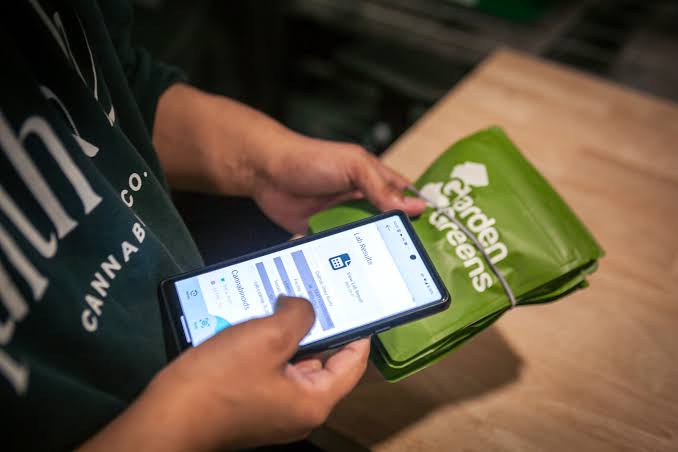
- The brand’s COA for that batch (usually linked from the product page or a QR code on the package)
- A calculator
Step 1: Confirm the lab
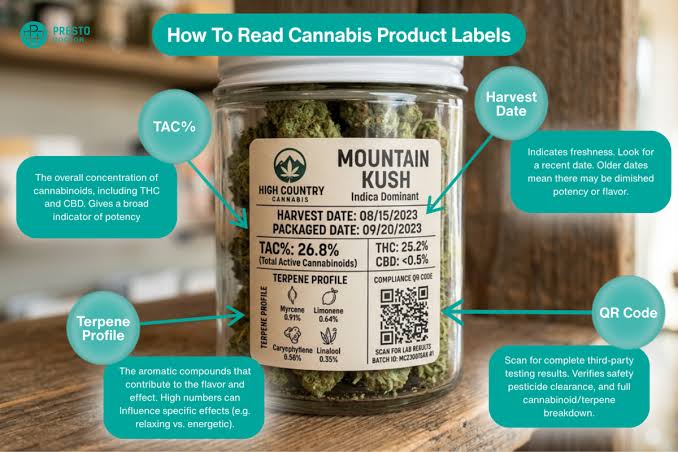
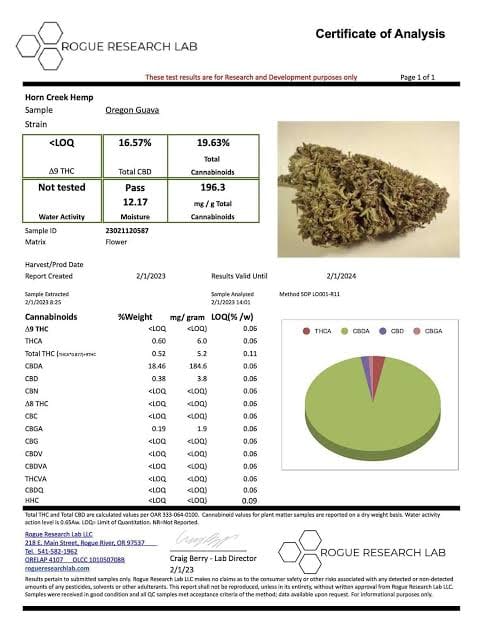
Look at the top or bottom of the report for the lab’s name, address, and accreditation.
- ISO/IEC 17025 accreditation is the standard to look for. It means an outside body (such as ANAB or A2LA) has audited the lab’s methods and quality system.
- Check the scope. A lab can be accredited for some tests but not others. Confirm that the accreditation covers cannabinoid testing, not just environmental or food work.
- Independence matters. The lab should be a third party, not the brand’s own in-house lab.
- Contact details and a signature. Reputable labs list their phone number and a lab director’s sign-off.
If no lab name or accreditation appears anywhere, treat the document as marketing, not a COA.
Step 2: Match the batch
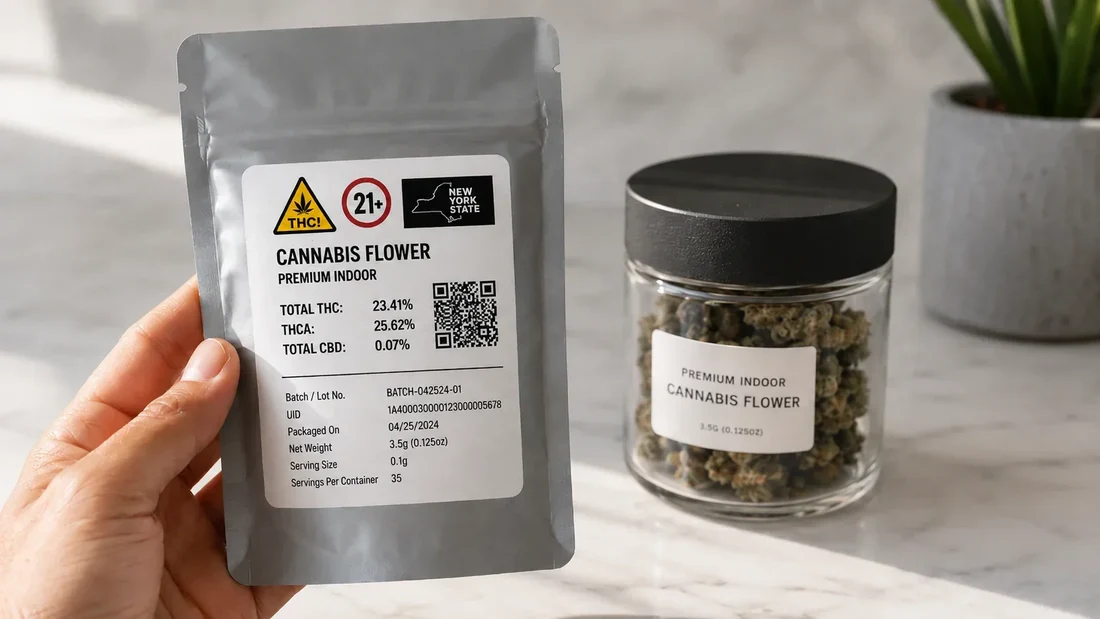
Find the product name and batch (lot) number on the COA, then compare them to your package.
- The batch number should match exactly.
- The product name and flavor should match.
- If the COA covers a different batch, a different product, or a “typical” sample, it tells you nothing about what you bought.
Step 3: Check the dates
Look for the sample received date, the test date, and the report date.
- The test should come after the batch was made and before it was sold.
- Be careful with very old reports reused across many batches.
- Check that the report has not been edited. Labs typically state that a certificate must not be altered or reproduced except in full.
Step 4: Read the cannabinoid panel
This is the core of the COA. It usually appears as a table with these columns:
|
Column |
What it means |
|---|---|
|
Analyte |
The compound tested (delta-9 THC, THCA, CBD, delta-8 THC, and so on) |
|
LOD |
Limit of detection: the smallest amount the lab can detect |
|
LOQ |
Limit of quantitation: the smallest amount the lab can measure reliably |
|
Result |
The measured amount, shown as a percentage, mg/g, or mg per unit |
|
ND |
Not detected: below the lab’s detection limit |
Two details trip people up:
- Units differ between reports. Percent, milligrams per gram (mg/g), and milligrams per unit are all common. Make sure you know which one you are reading.
- ND does not mean zero. It means the amount was too small for that lab’s method to detect. A high detection limit can hide a meaningful amount.
Step 5: Calculate total THC
THC appears in two forms. Delta-9 THC is the active compound. THCA is its raw, acid form, which turns into delta-9 THC when heated or processed. Total THC counts both, and the standard formula is:
Total THC = (THCA × 0.877) + delta-9 THC
The 0.877 factor adjusts for the weight lost when THCA converts to delta-9 THC.
Many reports calculate this for you and print it near the top. Check that it matches the formula, because the new federal hemp definition counts total THC, not just delta-9. If other THC-type compounds appear (such as delta-8 THC), find out whether the lab includes them in the total.
Example only (not a real result):
|
Analyte |
LOD (mg/g) |
LOQ (mg/g) |
Result (mg/g) |
|---|---|---|---|
|
Delta-9 THC |
0.03 |
0.10 |
0.30 |
|
THCA |
0.03 |
0.10 |
1.00 |
|
Delta-8 THC |
0.03 |
0.10 |
ND |
|
CBD |
0.03 |
0.10 |
ND |
Total THC = (1.00 × 0.877) + 0.30 = 1.177 mg/g
Step 6: Convert to per gummy and per container
Labels talk about gummies and packages, while labs often report per gram. Convert it yourself:
- Per gummy = total THC (mg/g) × weight of one gummy (g)
- Per container = total THC (mg/g) × total net weight of the container (g)
Using the example above, with a 10-count package where each gummy weighs 4 g (40 g net weight):
- Per gummy: 1.177 × 4 = about 4.71 mg
- Per container: 1.177 × 40 = about 47.08 mg
Compare these to the label. A small gap is normal because of measurement uncertainty, but a large mismatch is a warning sign.
Why this step matters now: The new federal definition caps consumable hemp products at 0.4 mg of total THC per container. For the 40 g package above, that works out to 0.01 mg/g. If the lab’s LOQ is 0.10 mg/g, a result of “ND” could still hide up to about 4 mg in the container, ten times the cap. To show compliance, the lab’s detection limits must be low enough, ideally reported in milligrams per container.
Gummies can also vary from piece to piece. Look for a COA that tests multiple gummies or notes how the sample was prepared.
Step 7: Check the safety panels
Many states require, and good brands include, results for:
- Pesticides
- Heavy metals (arsenic, cadmium, lead, mercury)
- Residual solvents (leftovers from extraction)
- Microbials (yeast, mold, and bacteria such as E. coli and Salmonella)
- Mycotoxins (toxins produced by mold)
Each panel should show either measured values with limits or a clear Pass or Fail. Required panels and limits vary by state, so a COA that covers only potency leaves safety unverified.
Step 8: Read the fine print
- Measurement of uncertainty. A result like “1.177 mg/g ± 0.04” tells you the true value is within a small range.
- Testing method. HPLC is a common method for cannabinoids. Labs should name the method they used.
- “Not a regulatory test” notes. Some labs add this line to potency reports for quality assurance. It is worth knowing about, though it does not make the results useless.
- QR code or report link. It should lead to the same report on the lab’s own site.

Red flags checklist
Be cautious if you see any of these:
- No lab name, address, or accreditation
- A batch number that does not match your package
- Only potency results, with no safety panels
- A report that is just an image with no verifiable details
- An “ND” result with a high detection limit
- A QR code that goes nowhere, or to a different product
- Results that look rounded or too perfect across every batch
- Test dates that are old, missing, or later than the sale date
- Total THC missing, or shown only as delta-9
COA cheat sheet
|
Step |
What to check |
What good looks like |
|---|---|---|
|
1 |
Lab |
Third-party, ISO/IEC 17025, scope covers cannabinoids |
|
2 |
Batch |
Matches your package exactly |
|
3 |
Dates |
Tested after production, before sale |
|
4 |
Panel |
Clear units, LOD and LOQ shown |
|
5 |
Total THC |
Uses THCA × 0.877 + delta-9 THC |
|
6 |
Conversion |
Matches the label per gummy and per container |
|
7 |
Safety |
Pass on all required panels |
|
8 |
Fine print |
Uncertainty, method, and a working link |
The ingredients in our gummies are cannabis oil, sugar, glucose-fructose syrup, malic acid, citric acid, and natural apple flavoring (varies by batch flavor).
For more on how the law treats different THC sources, see [Hemp THC vs. marijuana: what’s the legal difference?](link to comparison article).
Frequently asked questions
What does COA stand for?
Certificate of Analysis. It is a lab-issued report about the contents of a specific batch.
What is the difference between THC and THCA on a COA?
THCA is the raw acid form that converts to delta-9 THC with heat. Total THC adds both together, using the 0.877 conversion factor for THCA.
What does ND mean?
Not detected. The amount was below what the lab’s method can detect. It does not prove the amount is zero.
How do I know a COA is real?
Check that the lab is accredited, the batch number matches your package, the report is dated, and the QR code or link leads to the same report on the lab’s own site. If in doubt, contact the lab with the report ID.
Should every batch have its own COA?
Yes. A COA only applies to the batch it tested, so each production batch should have its own report.
What if a brand won’t share its COA?
That is a reason to be cautious. Brands that test their products usually publish the results.
Is this legal advice?
No. This article is general information. Consult a licensed attorney about your specific situation.
Sources
- Nebraska Department of Agriculture, “Reading a Hemp Certificate of Analysis”
- Missouri Department of Agriculture, “Industrial Hemp Program: Certificate of Analysis Guide”
- GrowerIQ, “How to Read a Cannabis COA”
- Public Law 119-37 (full text), Congress.gov
- Congressional Research Service, “Changes to the Statutory Definition of Hemp and Implications for Agricultural Policy,” September 28, 2026
This article is for informational purposes only and is not legal, medical, or financial advice. Cannaburst products are intended for adults 21 and over. Keep out of reach of children and pets. Laws change frequently, so verify current rules in your

Cannaburst Gummies 500mg Sour Berries
Cannaburst Gummies Sour Berries (500mg)
Cannaburst Gummies Sour Berries: The Ultimate 500mg Tangy Escape
The Experience: Wake up your senses with Cannaburst Gummies Sour Berries. Designed for those who crave a professional-grade “zing” with their downtime, these canna gummies 500mg powerhouses combine an electrifying tartness with the deep, reliable effects you expect from a premium brand. If you love the pucker of classic sour candy but require the consistent benefits of high-potency edibles, this is your perfect match.


