Buy Cannaburst gummies
Cannabis Products: Types, Effects, and How to Choose Safely
Cannabis products are made from the cannabis plant or its naturally occurring compounds. They include flower, oils, capsules, vapes, edibles, gummies, beverages, and topical products. The right choice depends on the cannabinoid profile, product strength, intended experience, ingredients, and local laws.
For readers exploring products such as Cannaburst gummies, understanding the differences between THC, CBD, product formats, and serving sizes is essential. This guide explains the main cannabis product categories and provides practical tips for choosing and using them responsibly.
Important: Cannabis products containing THC may be restricted by law and are intended only for adults in locations where permitted. Always check local regulations, product labels, and advice from a qualified healthcare professional.
What Are Cannabis Products?
Cannabis products contain compounds derived from the cannabis plant. The plant produces more than 100 cannabinoids, including tetrahydrocannabinol (THC) and cannabidiol (CBD). THC is intoxicating and can produce the “high” associated with cannabis, while CBD is not considered intoxicating.cdc
Cannabis products may also contain terpenes, flavonoids, oils, sweeteners, botanical extracts, and other ingredients. These components can affect a product’s flavor, aroma, texture, and overall experience.
The most common product categories include:
- Dried cannabis flower.
- THC and CBD gummies.
- Oils and tinctures.
- Capsules and softgels.
- Vape cartridges and concentrates.
- Cannabis beverages.
- Topical creams, balms, and lotions.
- Concentrates such as wax, shatter, and resin.
Each format works differently. Inhaled products may produce effects relatively quickly, while edibles can take longer to work and may last longer.
Main Types of Cannabis Products
1. Cannabis Flower
Flower is the dried and cured part of the cannabis plant. It may be smoked or vaporized, depending on local laws and personal preference.
Flower is often identified by its cannabinoid content and terpene profile. Some products are marketed as indica, sativa, or hybrid strains. However, these labels do not always predict the exact effects a person will experience. Cannabinoid levels, terpenes, dose, tolerance, and individual biology can all influence the experience.

2. THC Gummies and Edibles
Edibles are foods or drinks infused with cannabis compounds. Gummies are among the most popular options because they are discreet, portable, easy to portion, and available in different flavors and strengths. Cannabis may also be added to chocolates, baked goods, beverages, and capsules.cdc
THC gummies can produce intoxicating effects. However, the effects usually take longer to appear than those from inhaled cannabis. The CDC states that edible effects may begin between 30 minutes and 2 hours after consumption, and the effects can last longer than expected.cdc
This delayed onset is important. A person may assume that a gummy is not working and consume more before the first serving has taken effect. That can increase the risk of unwanted effects, including severe intoxication, anxiety, confusion, vomiting, or injury.
3. CBD Products
CBD products may be sold as oils, capsules, foods, lotions, and other formulations. CBD is not intoxicating, so it does not create the same “high” associated with THC. However, non-intoxicating does not automatically mean risk-free.cdc
CBD may interact with medications and may cause side effects. Consumers should also distinguish between a regulated medicine and a general consumer product. The FDA has approved a purified CBD medicine for specific rare seizure disorders, but that approval does not apply to every CBD product on the market.cdc

4. Cannabis Oils and Tinctures
Oils and tinctures are liquid products that may contain THC, CBD, or a combination of cannabinoids. Depending on the product instructions, they may be placed under the tongue, swallowed, or added to food and drinks.
The label should clearly state:
- The cannabinoid type.
- Total cannabinoid content.
- Serving size.
- Amount per serving.
- Ingredient list.
- Batch or lot information.
- Manufacturer details.
- Laboratory testing information, where available.
Liquid products can be useful for consumers who want flexible serving sizes. However, measuring the amount carefully is important because small differences in volume can change the dose.

5. Vape Products
Vape products heat cannabis oil or concentrates to create an inhaled aerosol. They may deliver effects more quickly than edibles, but they also raise specific safety and quality concerns.
Consumers should avoid products with unclear ingredients, informal packaging, or no verifiable manufacturer information. Do not assume that a product is safe simply because it is sold online or described as “natural.” The quality of cannabis products can vary significantly depending on manufacturing and testing practices.

6. Topical Cannabis Products
Topicals include creams, balms, lotions, and salves applied to the skin. They are commonly marketed for localized use and may contain THC, CBD, or both.
Topicals are different from edible products because they are applied externally rather than swallowed. Always follow the product directions, avoid contact with the eyes, and keep topical products away from children and pets.

THC, CBD, and Other Cannabinoids
THC
THC is the primary intoxicating cannabinoid in many cannabis products. It may affect attention, memory, coordination, judgment, and reaction time. Products with higher THC concentrations generally require greater caution, especially for people with little or no previous experience.
CBD
CBD does not produce the typical THC high. It is commonly included in oils, capsules, gummies, and topical products. Even so, consumers should review the label carefully and speak with a healthcare professional if they take prescription medicines.
Minor Cannabinoids
Some products contain cannabinoids such as CBG, CBN, THCV, or delta-8 THC. These products may be marketed for particular effects, but consumers should look for reliable evidence and clear labeling rather than relying only on promotional claims.
The FDA has warned that delta-8 THC products have not been evaluated or approved by the agency for safe use in any context. It also notes that delta-8 THC can produce psychoactive effects similar to delta-9 THC.fda
How to Read a Cannabis Product Label
A product label should help you understand exactly what you are purchasing. Before buying cannabis gummies or another cannabis product, check the following:
- Total cannabinoids: The total amount of THC, CBD, or other cannabinoids in the package.
- Amount per serving: The quantity in one gummy, capsule, dropper, or other serving.
- Serving count: The number of individual servings in the package.
- Ingredients: Look for allergens, sweeteners, oils, and other additives.
- Batch information: This helps identify the production run.
- Testing details: Look for a certificate of analysis or a scannable lab-report link where applicable.
- Manufacturer information: A reputable company should provide a business name and contact details.
- Expiration or best-before date: Potency and quality may change over time.
- Storage instructions: Some gummies and oils require protection from heat, light, or moisture.
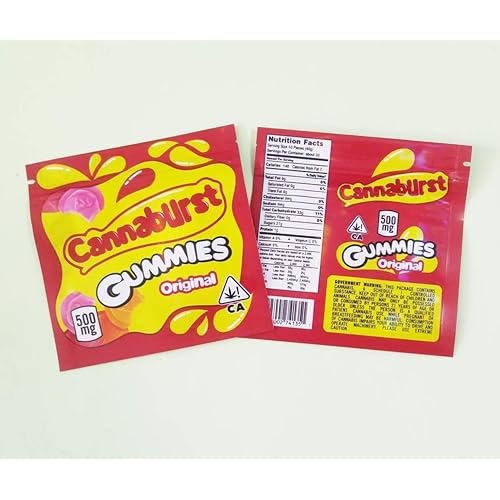
A package labeled “500mg THC” may refer to the entire package, not one gummy. For example, if a pack contains 20 gummies, the average amount would be 25mg per gummy. Always confirm the serving information before consuming.
How to Choose the Right Product
The best cannabis product is not necessarily the strongest one. A better approach is to match the product to your experience level, preferred format, and intended use.
Consider these questions:
- Do you want an intoxicating product? Choose carefully between THC, CBD, and mixed-cannabinoid products.
- Do you prefer fast or delayed effects? Inhaled formats may act sooner, while edibles generally take longer.
- Do you need precise serving information? Gummies, capsules, and measured oils may offer clearer portions.
- Are you sensitive to sugar or allergens? Review the full ingredient list.
- Does the product have independent testing information? Transparent testing can help verify potency and screen for contaminants.
- Is the seller legally authorized in your location? Cannabis rules differ by country, state, and jurisdiction.
For Cannaburst gummies, product pages should make the serving size, total THC content, ingredients, testing information, storage instructions, and legal purchasing requirements easy to find. This improves customer confidence and supports stronger SEO signals because users can quickly locate answers to common questions.
Responsible Use and Safety
Edible cannabis products require patience because effects can be delayed. The CDC warns that consuming too much may lead to poisoning or serious injury, and that the experience may be influenced by factors such as the amount consumed, whether the product was taken on an empty stomach, and whether alcohol or medicines were used at the same time.cdc
Follow these basic precautions:
- Use cannabis only where it is legal and permitted.
- Follow the product label and do not exceed the stated serving.
- Do not take more simply because effects have not appeared yet.
- Avoid combining THC with alcohol or other intoxicating substances.
- Do not drive, cycle, swim, or operate machinery after using THC.
- Store products in child-resistant packaging and away from children and pets.
- Keep cannabis products separate from ordinary sweets and snacks.
- Speak with a healthcare professional if you are pregnant, breastfeeding, taking medication, or managing a medical condition.
If someone has severe confusion, trouble breathing, a seizure, becomes unresponsive, or experiences another emergency after consuming cannabis, contact emergency services or a poison-control service immediately.
Frequently Asked Questions
What are the most common cannabis products?
The most common products include flower, gummies, oils, tinctures, capsules, vape products, beverages, concentrates, and topical creams.
Are THC gummies stronger than smoking cannabis?
Not necessarily. Edibles are processed differently and may feel stronger or last longer for some people. Their delayed onset can also lead consumers to take more than intended.nida.nih
Does CBD get you high?
CBD is not considered intoxicating and does not produce the typical THC high. However, CBD products may still cause side effects or interact with medications.cdc
What does 500mg mean on a gummy package?
It usually means the package contains 500mg of the stated cannabinoid in total. It does not automatically mean that one gummy contains 500mg. Check the number of gummies and the per-serving amount.
How should cannabis gummies be stored?
Keep gummies in their original packaging, tightly sealed, away from heat and light, and inaccessible to children and pets. Follow the manufacturer’s storage instructions.
Final Thoughts
Cannabis products are available in many formats, but each product has different characteristics, onset times, serving considerations, and safety concerns. For consumers comparing THC gummies, the most useful indicators are transparent labeling, clear serving sizes, responsible product information, quality ingredients, and accessible testing details.
At Cannaburst Gummies Official, educational product content should help readers make informed decisions rather than encourage excessive consumption. Clear, accurate information builds trust and gives customers a better understanding of how cannabis products differ
